
 Educational
Gain access to expert-led videos, articles, and resources covering essential heart health topics — from emergency care to in-depth clinical knowledge.

Early rehabilitation is one of the basic treatment procedures after a heart attack. In the case of an uncomplicated course of a heart attack, it is possible to get out of bed as early as the second day after its onset (under ECG monitoring). In cases of persistent heart ischemia or reduced heart pump function,…
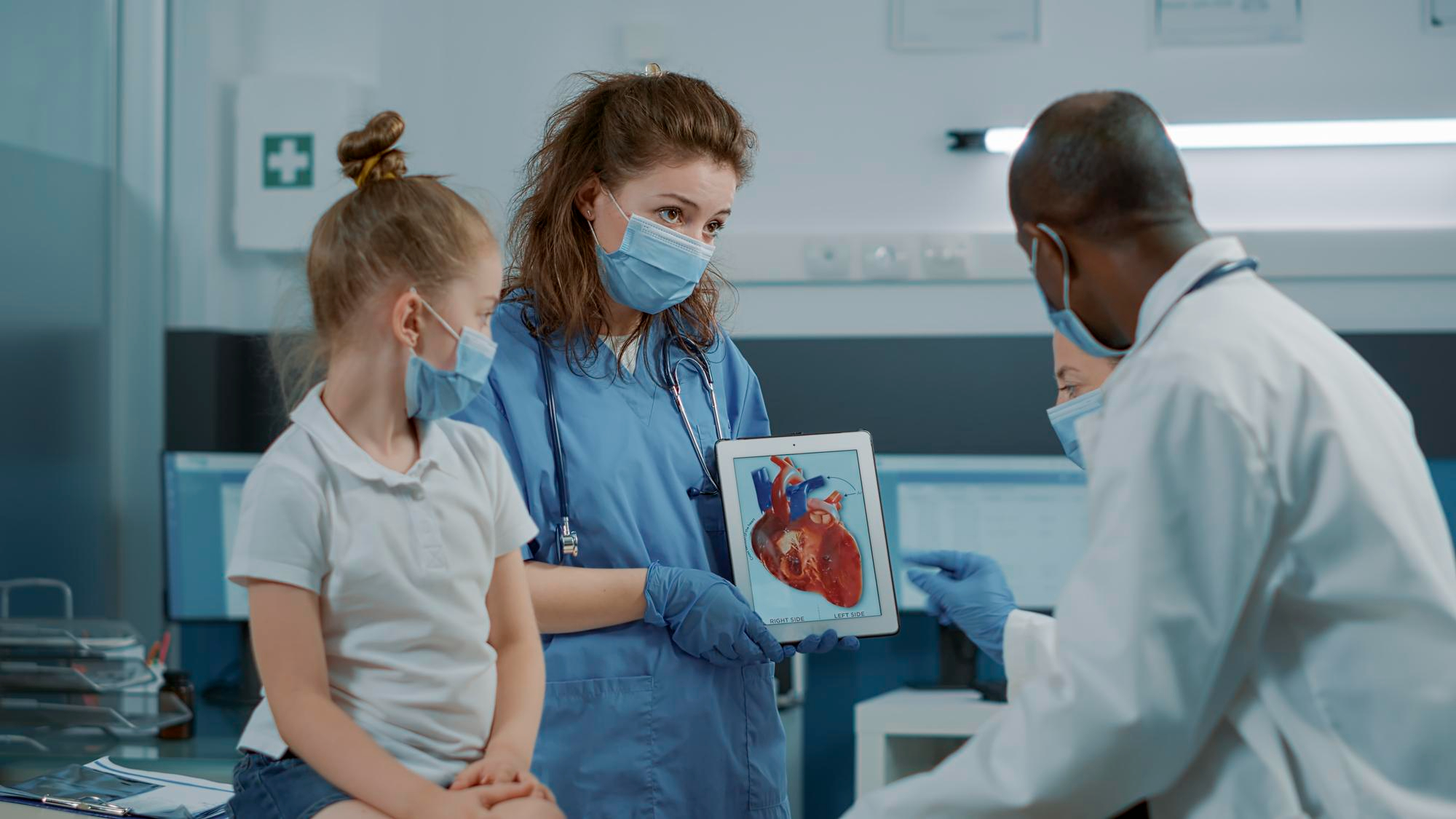
A heart attack can be simply defined as the death of parts of the heart cells, resulting from a sudden blockage or significant narrowing of the coronary artery that supplies the relevant area of the heart muscle. The most common cause of heart attacks is atherosclerosis affecting the coronary arteries. Atherosclerosis is a complex process…
Atrial fibrillation is a heart disease (heart rhythm disorder – arrhythmia) that is characterized by an irregular and often rapid heartbeat. What are the symptoms of atrial fibrillation? Many people with atrial fibrillation do not experience any symptoms. Observable symptoms can be: Palpitations (unpleasant sensation of very rapid heartbeat) Weakness Reduced ability to perform physical…
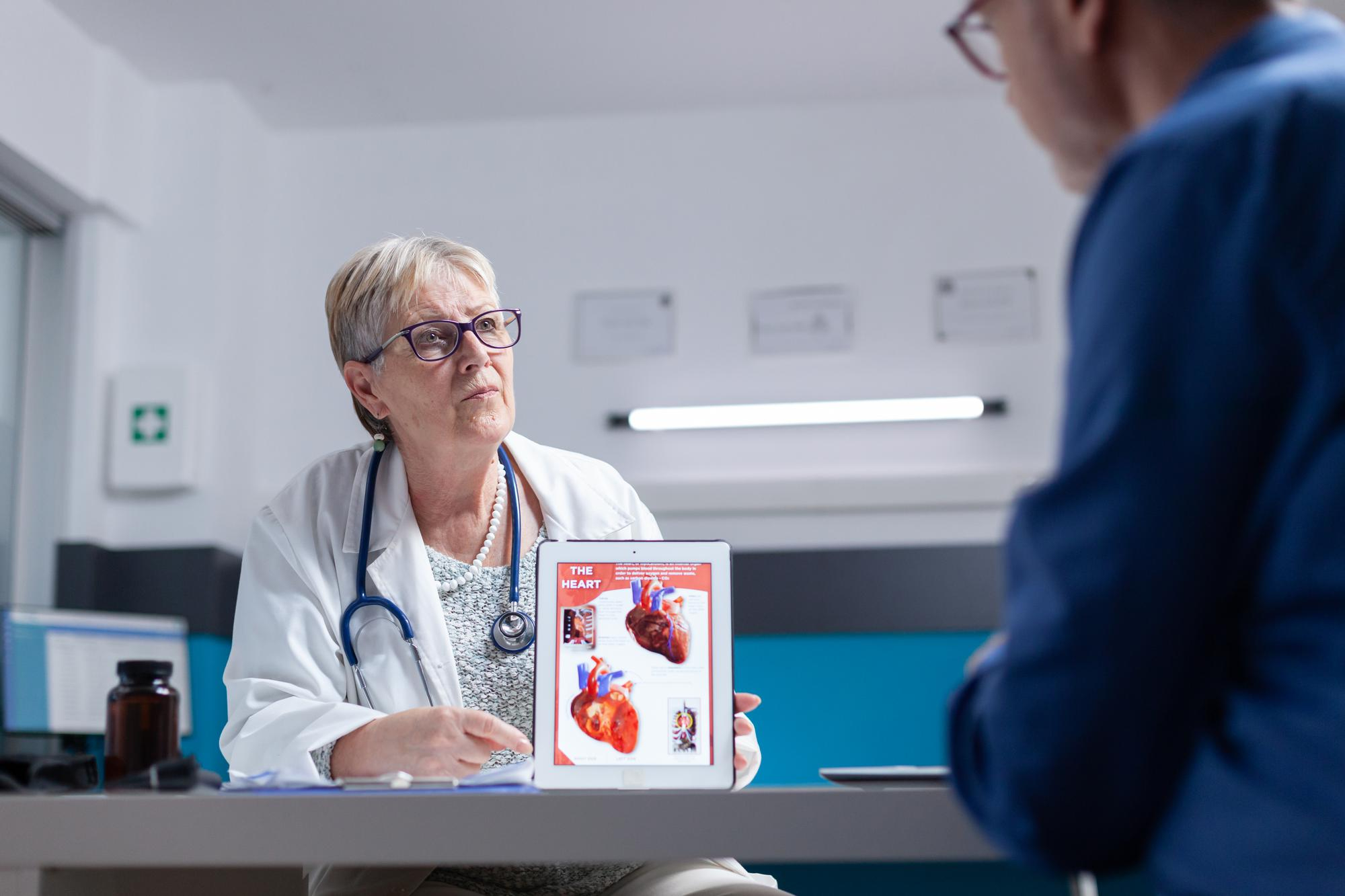
Vegetables Vegetables should make up at least a quarter of your food intake. The more vegetables you eat, prepared in different ways, the better. French fries are not considered vegetables, and potatoes are more like polysaccharides in their composition. Fruit Fruit makes up the second quarter of your plate. The healthiest and most nutritious way…

What is hypertension and why is it important to treat it? Hypertension means persistently elevated blood pressure, which puts strain on the heart, blood vessels, and other organs such as the kidneys and brain. Untreated hypertension results in an increased risk of myocardial infarction, stroke, heart failure, and kidney damage. Treatment is lifelong Hypertension is…